
Sony Security Image Sensors using STARVIS and STARVIS 2
Sony security camera image sensors are designed to capture reliable images in real scenes, including very dark locations and scenes with large differences in brightness. STARVIS and STARVIS 2 deliver high sensitivity and low noise for accurate color and shape reproduction. Model-specific HDR functions help preserve detail in bright and dark regions of the same frame. Near-infrared options support clear capture in jet black environments with IR illumination.
Why Sony sensors for security?
- High sensitivity for clear images at low illuminance
- Low-noise architecture that preserves detail and color
- HDR options that handle mixed lighting in a single frame
- Near-infrared-capable variants for scenes with auxiliary IR light
- Broad lineup across resolutions, optical formats, and interfaces
What is STARVIS and how does it help security cameras?
STARVIS is a back-illuminated pixel technology that increases sensitivity and lowers noise so cameras capture more detail and more faithful color in low light.
What is the difference between STARVIS and STARVIS 2?
STARVIS 2 expands performance across a wider range of lighting conditions so scenes with both bright and dark areas hold more detail and look more consistent.
Which Sony security sensors work best in very low light?
Choose models with strong low illuminance characteristics and NIR capability, then match pixel size and lens F number to your scene and target frame rate.
How do these sensors preserve color and detail in low light?
High-sensitivity pixels collect more signal while low-noise readout maintains detail. The result is cleaner images and better color fidelity when illumination is limited.
Product lineup at a glance
Which sensor should I pick for fast motion and mixed lighting?
Select a model that supports Clear HDR at your required frame rate, then confirm readout bit depth and interface bandwidth.
Which interface is right for my system, SLVS-EC or MIPI CSI 2?
MIPI CSI 2 fits many embedded SoCs and ISPs. SLVS-EC favors higher bandwidth and longer runs, and is common with FPGAs.
Sony security sensor lineup
Frame rate varies by readout bit depth and mode. Confirm final numbers in the model flyer before publishing.
Model | Format (Type) | Resolution (MP) | Max frame rate* | HDR modes | NIR-Enhanced | Interface | Color/Mono | Notes |
|---|---|---|---|---|---|---|---|---|
IMX678 (AR and No AR) | 1/1.8 | ~8.3 | 12 bit up to 60 fps, 10 bit up to 72 fps | DOL HDR, Clear HDR | See flyer | MIPI CSI 2 | Color | STARVIS 2, ROI and binning, variable speed shutter |
IMX675 (AR and No AR) | 1/2.8 | ~5.1 | 12 bit up to 60 fps, 10 bit up to 80 fps | DOL HDR, Clear HDR | See flyer | MIPI CSI 2 | Color | Dual Speed Streaming, ROI and binning |
IMX585 | 1/1.2 | ~8.3 | 12 bit up to 60 fps, 10 bit up to 90 fps | DOL HDR, Clear HDR | See flyer | MIPI CSI 2 | Color | RAW10, RAW12, RAW16 output in Clear HDR mode |
IMX664 (AR, mono) | 1/1.8 | ~4.2 | 12 bit up to 90 fps, 10 bit up to 120 fps | DOL HDR, Clear HDR | See flyer | MIPI CSI 2 | Mono | 2.9 µm pixel, security camera application |
IMX715 | 1/2.8 | ~8.5 | See flyer | See flyer | See flyer | See flyer | Color | Visible and near-infrared picture quality notes |
IMX462 | 1/2.8 | ~2.1 | See flyer | See flyer | See flyer | See flyer | Color | Low-light-focused security sensor |
Applications
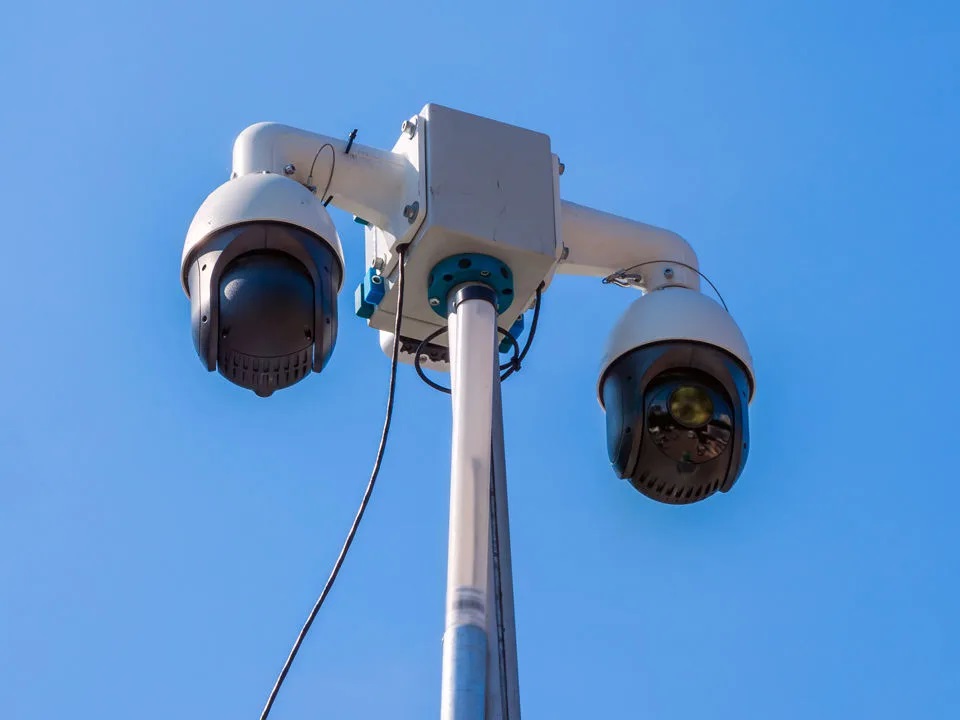
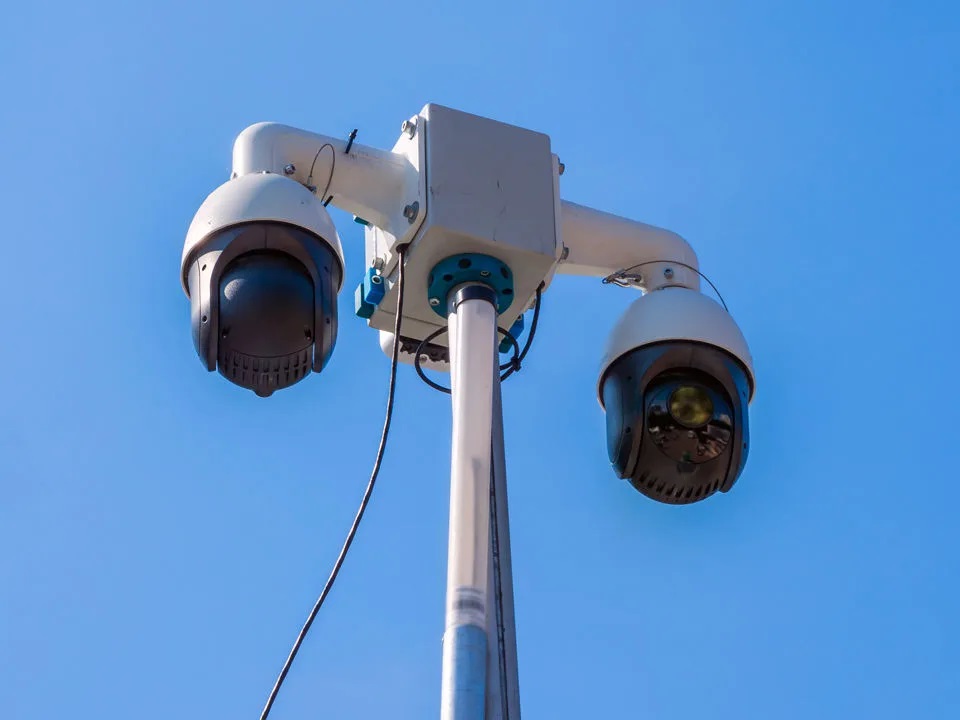
What sensors are recommended for perimeter and facility surveillance?
Pick a model with strong low-light performance, your required resolution, and HDR suited to motion at the site. Pair with NIR if illumination is limited.
- Perimeter and facility surveillance, indoor and outdoor
- Smart city monitoring for intersections and public spaces
- Retail and logistics security for docks and warehouses
- Transportation and parking with low-light license plate capture
- Residential and small business systems
How do I size a sensor for low light license plate capture?
Start from the smallest pixel size that delivers your needed shutter speed and resolution at the expected lux level. Confirm lens F number, exposure, and HDR mode, then validate with IR illumination if needed.
Why Macnica for Sony security sensors?
Frame rate varies by readout bit depth and mode. Confirm final numbers in the model flyer before publishing.
How does Macnica help me move from sensor to solution?
We map your scene to the right sensor, provide no solder evaluation paths where available, deliver drivers and configuration presets, support ISP tuning and optics, and bridge to Jetson, Ambarella, or FPGAs. We also help with supply and lifecycle planning.
What do I need to start an evaluation with no soldering?
Share your illumination, motion profile, lens, target resolution and frame rate, preferred interface, compute platform, and schedule. We will return a recommended sensor and an evaluation plan.
Contact us to discuss your requirements and schedule a consult with an imaging specialist.