

Low Harmonic Distortion ESD Protection Solution for Wi-Fi Antennas
Harmonic distortion is one of the key indicators used to evaluate distortion in radio frequency (RF) signals. However, it is difficult to directly assess or quantify harmonic distortion from time-domain waveforms (as shown in Figure 1). In practice, signals are typically analyzed using Fourier Transform, and harmonic distortion is evaluated in the frequency domain through spectrum analysis (as shown in Figure 2), which provides a more effective way to quantify and discuss distortion components.
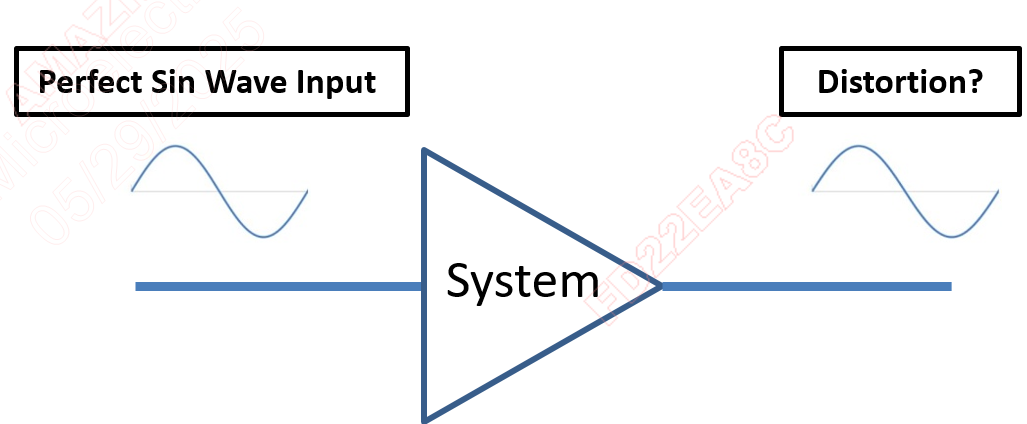
Figure 1. Time-domain view makes it difficult to evaluate signal distortion after passing through a system
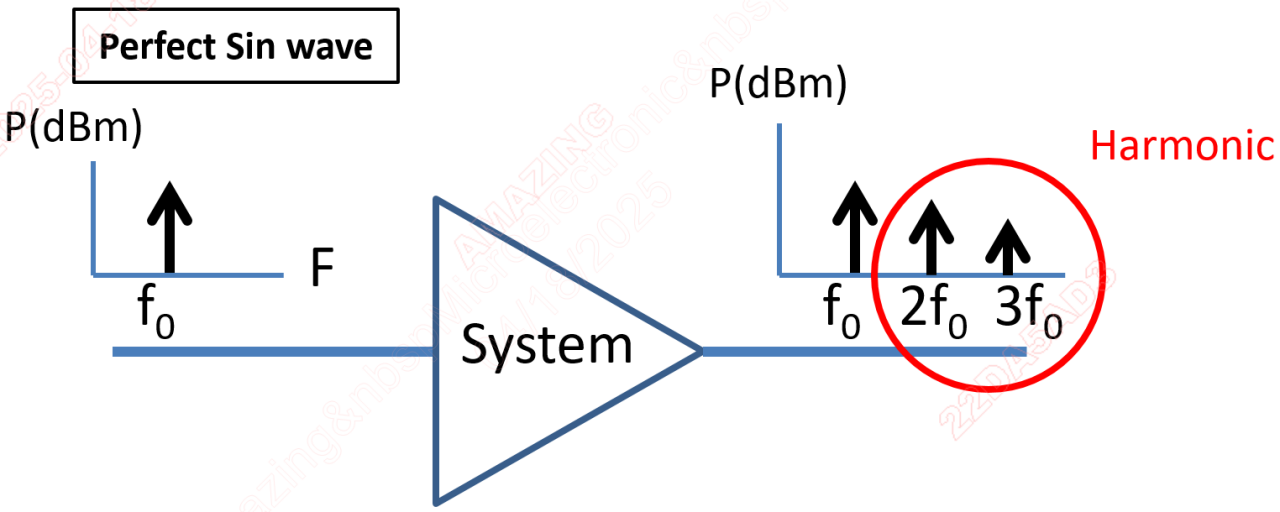
Figure 2. Frequency-domain view enables quantification of harmonic distortion components
For signals consisting of single or multiple frequencies, unexpected harmonic distortion can lead to overall waveform degradation. In AC signal applications such as audio and antenna systems, severe distortion may result in poor sound quality or degraded wireless data transmission, including reduced throughput or transmission failure. Therefore, in engineering design, it is critical to ensure that signals can be transmitted without distortion. Among various factors contributing to RF signal degradation, harmonic distortion remains a persistent challenge faced by RF engineers.
Wi-Fi Signals and the Need for High ESD Protection
High-performance RF FEM and transceiver ICs fabricated using advanced process technologies typically exhibit limited ESD robustness. As a result, ESD events are a major cause of malfunction or permanent damage in these devices. External antennas, while receiving RF signals, also expose the system to a high risk of ESD events. Consequently, they frequently encounter ESD strikes from the external environment. To address this, many brand manufacturers incorporate appropriate ESD protection devices on Wi-Fi signal lines to enhance ESD robustness, reduce field return rates, and improve overall product reliability and brand reputation.
ESD Protection Devices and Harmonic Distortion
Due to the inherent semiconductor characteristics of ESD protection devices, high-frequency RF signals passing through them inevitably generate both even-order and odd-order harmonic distortion. If an ESD protection device with high harmonic distortion is selected, it may degrade wireless signal quality and lead to performance issues. Therefore, achieving a balance between high-level ESD protection and minimized harmonic distortion has become a critical challenge for both RF and EMC engineers. To address this requirement, Amazing Microelectronic has developed a methodology to quantitatively evaluate second- and third-order harmonic distortion generated by ESD protection devices. This enables the provision of harmonic measurement data tailored for RF applications, helping system designers assess side effects and ensure that ESD protection does not compromise signal integrity.
Amazing ESD Solution with Minimized Harmonic Distortion for Wi-Fi --- AZ4B18-01BS
Amazing Microelectronic has developed an optimized ESD protection device specifically for Wi-Fi antenna applications using a proprietary design process, achieving ultra-low harmonic distortion — AZ4B18-01BS. Key Specifications:
‧ Package : CSP0603P2US (0201)
‧ Directivity : Bi-directional
‧ Reverse Stand-off Voltage : 18V
‧ Input Capacitance : 0.3 pF
‧ ESD Clamping Voltage @ 8kV : 20V
‧ IEC61000-4-2 System ESD : 10kV (Contact), 15kV (Air)
The AZ4B18-01BS adopts an ultra-small 0201 package, making it ideal for compact designs such as wearable and handheld devices. To effectively protect advanced Wi-Fi FEM/transceiver ICs from ESD damage and meet stringent ESD test requirements, the device achieves a low clamping voltage of only 20V under 8kV ESD conditions, providing highly optimized protection performance.
At the same time, thanks to its specialized design process, the AZ4B18-01BS exhibits extremely low harmonic distortion. As shown in Figure 3, under Wi-Fi frequency conditions, the device generates minimal second- and third-order harmonics. This unique design effectively resolves the trade-off between ESD protection and signal integrity, enabling both excellent ESD robustness and minimal impact on RF performance.
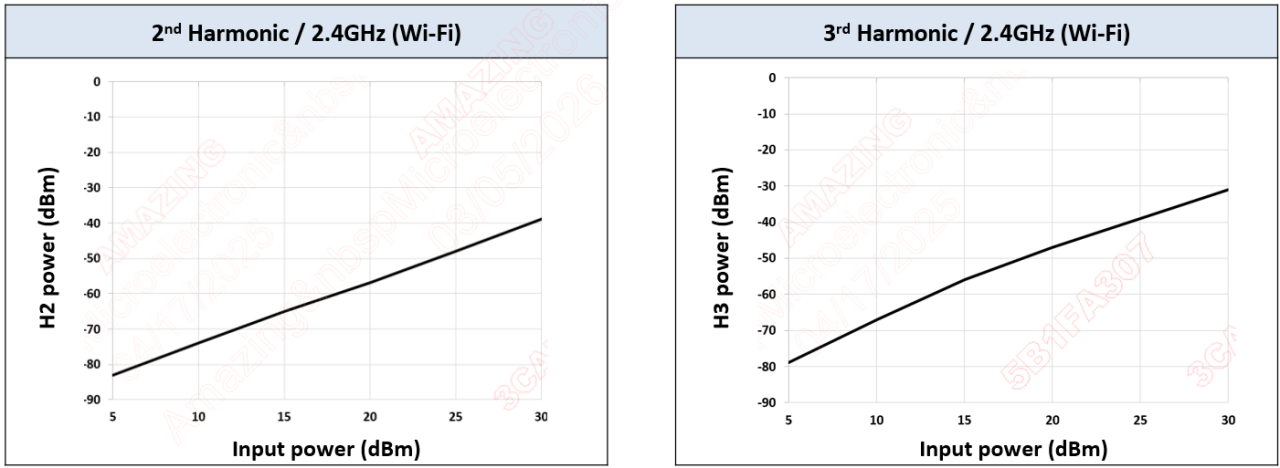
Figure 3. Second- and third-order harmonics generated by AZ4B18-01BS under Wi-Fi baseband conditions

Links
Copyright 2026 Macnica Galaxy International Limited