



DEEPX: Physical AI Systems for Real-World Machines


- Product Image
Physical AI Starts Where the World Moves.
AI is leaving the data center. The next phase of AI is Physical AI, intelligence embedded directly into machines, robots, and systems that must sense, decide, and act in the real world, in real time. Macnica enables Physical AI systems by combining advanced sensing, efficient on-device AI processing powered by DeepX, and deterministic communication into deployable, production-ready solutions.
- Problem
- Physical AI
- On-Device AI
- Physical AI Stack
- Applications
- Power/Infrastructure
Why Traditional AI Architectures Break Down in the Physical World
Most AI infrastructure was designed for centralized computing. GPUs, cloud platforms, and data centers excel at training and large-scale analytics, but they struggle when intelligence must operate continuously in the physical world.
Physical AI systems face constraints that cloud-based AI cannot solve:
- Latency that impacts safety, responsiveness, and autonomy
- Power and thermal limits inside robots, machines, and edge devices
- Connectivity gaps and unreliable networks
- GPU supply constraints and long lead times
- Rising infrastructure and energy costs
When AI must interact with people, environments, and machines, intelligence cannot depend on distant servers or power-hungry infrastructure.
Physical AI demands a fundamentally different system architecture.

The Final Stage of AI Is Physical
Physical AI is the integration of intelligent models with embodied systems that operate in the real world. It closes the loop between perception, reasoning, and action.
Instead of sending data to the cloud for processing, Physical AI runs inference where action happens, on the device, at the edge, within tight power, latency, and reliability constraints.
In practical terms:
- AI sees through sensors
- AI decides using on-device intelligence
- AI acts through machines and systems
This shift transforms AI from an analytical tool into an operational capability.

Why Physical AI Needs Intelligence at the Edge
Physical AI systems cannot wait for the cloud.
They require intelligence that runs locally, predictably, and efficiently, even when connectivity is limited or unavailable.
On-device AI processing enables:
- Real-time decision-making without network latency
- Consistent performance within fixed power and thermal envelopes
- Reduced reliance on constrained GPU supply chains
- Scalable deployment across fleets of machines
DeepX accelerators are purpose-built for this reality, delivering high-performance AI inference within power budgets suitable for physical systems.
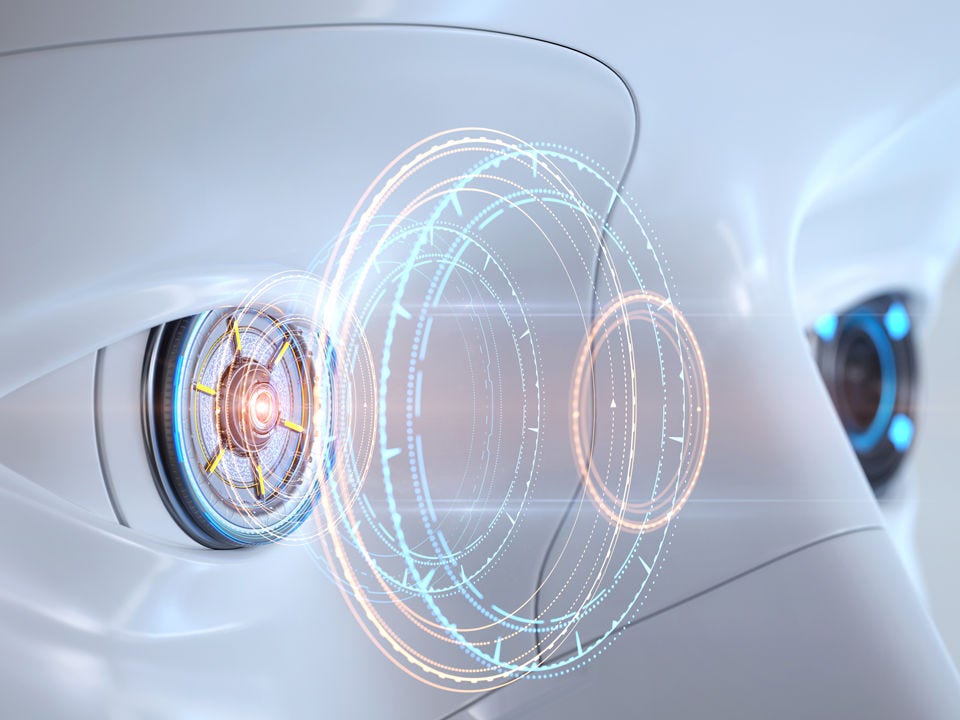
DeepX Powers the Processing Layer of Physical AI
DeepX AI accelerators provide the processing foundation required for Physical AI systems.
Designed for on-device inference, DeepX enables advanced AI models to run efficiently inside robots, machines, and edge platforms where power, heat, and reliability matter most.
Within Macnica’s system architecture, DeepX:
- Enables real-time inference without cloud dependency
- Supports sustained operation without thermal throttling
- Fits product-ready embedded form factors
- Scales intelligence without scaling infrastructure
DeepX handles the processing challenge, while Macnica ensures the complete Physical AI system is engineered for production.

Physical AI in Real-World Deployments
Physical AI is already reshaping industries where machines must operate autonomously and safely:
- Robotics and Autonomous Mobile Robots - On-device perception, navigation, and decision-making that enables real-time autonomy
- Industrial Automation - Vision-based inspection, adaptive control, and predictive maintenance at the edge
- Smart Mobility and Logistics - Intelligent systems for delivery robots, material handling, and autonomous platforms
- Machine Vision Systems - High-accuracy analytics without cloud latency or excessive bandwidth usage
In each case, Physical AI depends on efficient, reliable processing embedded directly into the system.
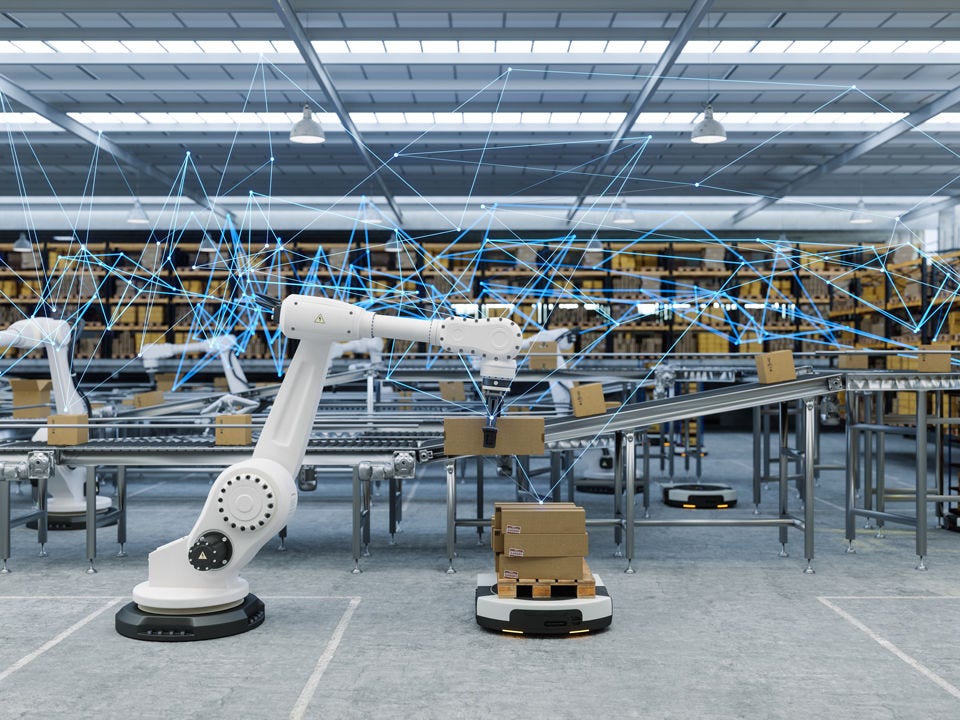
Power Is the Real Constraint to AI at Scale
As AI adoption grows, power availability and infrastructure costs are becoming the dominant limiting factors.
Data center expansion requires years of planning and massive capital investment. Physical systems, by contrast, must operate continuously within strict energy budgets.
By shifting inference to the edge, Physical AI reduces infrastructure load while enabling scalable, sustainable AI deployment.
Physical AI scales intelligence, not power consumption.
Macnica's Role
From Capture to Action, Macnica Builds Physical AI Systems
Macnica approaches Physical AI as a system challenge, not a component selection exercise.
Our Capture → Process → Communicate philosophy ensures every layer of the AI pipeline is engineered to work together in real-world deployments:
- Capture - High-quality sensors and imaging technologies that bring the physical world into digital systems with accuracy, consistency, and reliability
- Process - Efficient on-device AI acceleration using DeepX NPUs, enabling real-time inference without relying on centralized GPUs or cloud connectivity
- Communicate - Deterministic networking and connectivity that move data reliably between systems, enabling coordination, monitoring, and control
Macnica ensures these elements are integrated into a cohesive architecture that supports deployment, scale, and long-term operation.

Deployment and Risk Reduction
From Evaluation to Production, Macnica Reduces Risk
Deploying Physical AI requires more than hardware.
Macnica supports customers across the full lifecycle of Physical AI system development, from early architecture definition to production deployment.
Our support includes:
- System architecture and design guidance
- Evaluation and pilot support
- Integration and validation
- Ecosystem coordination
- Long-term supply and lifecycle management
This approach helps teams move faster while reducing technical, operational, and supply chain risk.
Build Physical AI Systems with Confidence
If you are exploring robotics, intelligent machines, or real-time AI systems that must operate in the physical world, Macnica can help you design an architecture that is efficient, scalable, and deployable.
Learn how Macnica and DeepX are enabling the next generation of Physical AI systems, from capture to action.
Similar Products
Macnica Americas Site Map


©Copyright 2026 Macnica Americas, Inc.